
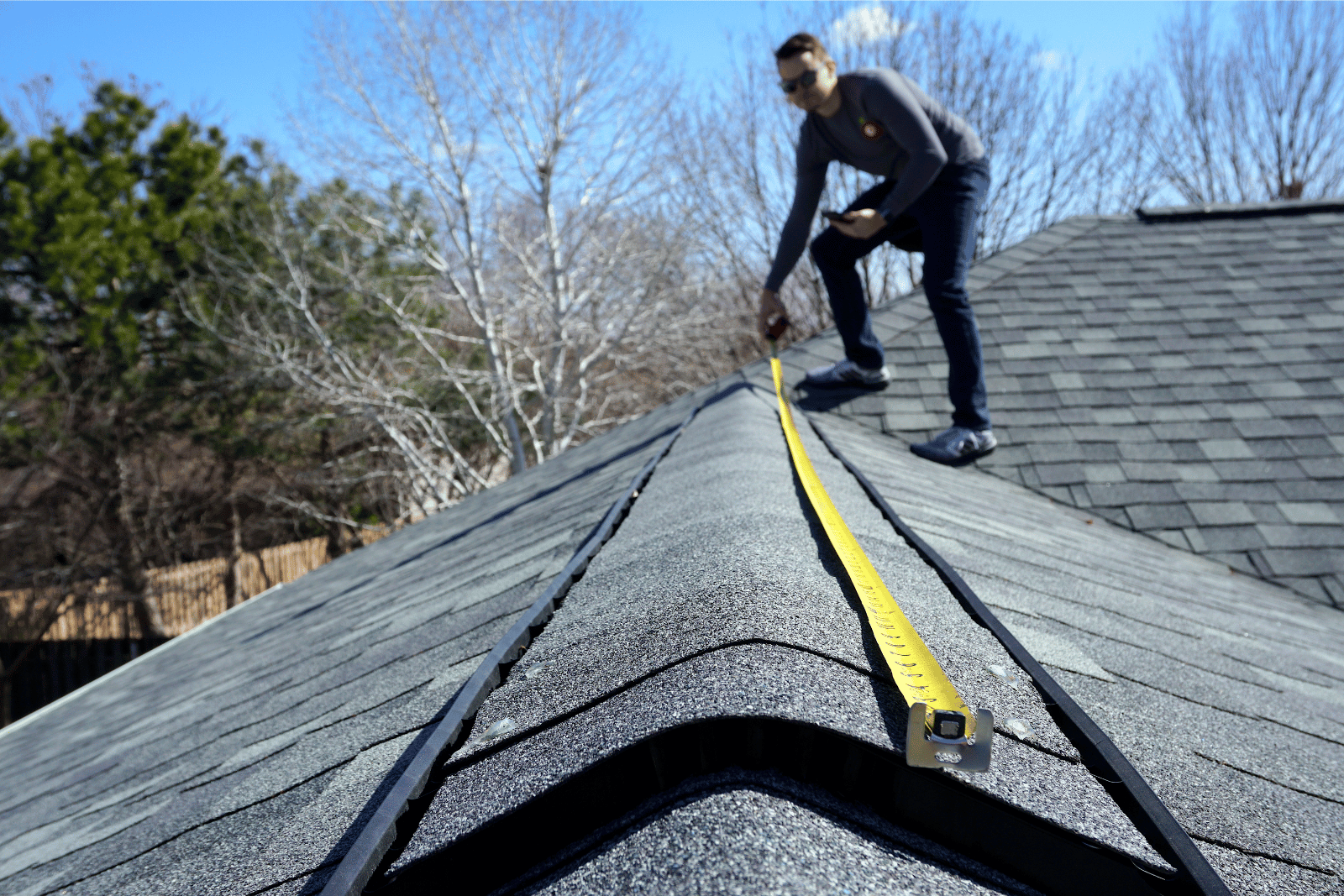
A roof tells a story long before water appears on a ceiling. Tiny shifts in materials, hidden moisture, and weather-related wear often develop quietly where homeowners rarely look. A detailed inspection can uncover issues that seem unrelated to roofing at first glance, helping property owners understand the true condition of one of the most important systems protecting their home.
Subtle Moisture Migration Patterns Hidden Beneath Surface Roofing Materials
Table of Contents
Beneath shingles and flashing, moisture can travel surprising distances before becoming visible indoors. Water often enters through one location and follows roof decking, fasteners, or framing members before eventually appearing somewhere completely different. This movement can create misleading symptoms that make a leak difficult to trace without a professional inspection. Experienced roof contractors frequently discover hidden moisture zones long before major damage develops. Advanced evaluation techniques help identify soft decking, trapped humidity, and early deterioration that homeowners cannot see from the ground, allowing repairs to address the source rather than the symptom.
Wind Uplift Stress Indicators That Often Escape Routine Visual Observation
Strong wind events do not always leave dramatic signs behind. Shingles may remain attached while experiencing subtle lifting that weakens seal strips and creates future vulnerability during the next storm. Small shifts in material positioning can reduce a roof’s ability to resist repeated weather exposure.
Skilled roof contractors in Trussville AL look for uplift patterns that many people overlook. Careful examination often reveals areas where wind pressure has begun compromising roofing components even though the roof still appears normal from a distance.
Attic Ventilation Imbalances Affecting Long-Term Roofing System Performance
Heat and moisture accumulation inside an attic can shorten roofing material life without creating immediate warning signs. Improper airflow may contribute to premature aging, increased energy consumption, and hidden condensation issues that affect structural components over time.
Professional inspections often include ventilation assessments because roof performance depends on more than exterior materials alone. Many roof companies in Trussville AL evaluate intake and exhaust airflow to determine whether attic conditions are accelerating wear throughout the roofing system.
Fastener Deterioration Signals Developing Beneath Aging Shingle Assemblies
Roofing fasteners remain largely invisible after installation, yet they play a major role in structural stability. Corrosion, backing out, or gradual loosening can weaken attachment points and create opportunities for moisture intrusion during severe weather.
Detailed roof evaluations frequently uncover fastener-related concerns before widespread damage occurs. Reliable roof companies near me understand that secure attachment systems contribute significantly to the lifespan and durability of a roofing assembly.
Flashing Transition Weaknesses Around Penetrations and Roof Intersections
Chimneys, vents, skylights, and wall intersections create transition points where different materials meet. These areas experience constant expansion, contraction, and weather exposure, making them common locations for developing roof issues.
Thorough inspections focus heavily on flashing integrity because small failures often lead to larger problems. Qualified roof contractors examine seals, metal components, and connection points to identify vulnerabilities before water gains access to underlying structures.
Structural Deck Deflection Clues Revealing Hidden Roofing Concerns
Roof surfaces occasionally develop subtle sagging or uneven sections that indicate conditions beneath the visible roofing layer. Changes in roof plane alignment may suggest moisture damage, weakened decking, or long-term structural stress that deserves closer evaluation.
Careful inspectors look beyond surface appearance when assessing overall roof health. Property owners searching for roofing near me often benefit from contractors who understand how structural observations can reveal issues hidden below finished roofing materials.
Granule Distribution Analysis Exposing Accelerated Material Weathering Cycles
Protective granules shield asphalt shingles from ultraviolet exposure and environmental wear. Uneven granule loss patterns can reveal areas experiencing excessive weathering, manufacturing concerns, or localized stress that may reduce material performance.
Knowledgeable roofing professionals use granule condition as an important indicator of remaining roof life. Inspection findings often provide valuable insight into how effectively roofing materials are aging across different sections of the structure.
Drainage Flow Evaluations Identifying Water Management Deficiencies Early
Water does not need a roof leak to cause trouble. Poor drainage can contribute to ponding, accelerated material breakdown, gutter overflow, and foundation-related concerns that develop gradually over time.
Comprehensive inspections assess how water moves across and away from the roof surface. Effective drainage management often plays a significant role in extending roofing system longevity while reducing avoidable maintenance expenses.
Documentation Insights Supporting Smarter Long-Term Roofing Decisions
Inspection reports provide more than a list of repairs. Detailed documentation creates a record of current conditions, helping homeowners monitor changes, prioritize maintenance, and make informed decisions about future roofing investments.
Rather than waiting for visible damage to appear, many property owners use inspections as a planning tool. Yellow Hammer helps homeowners better understand roof conditions through professional evaluations that identify hidden concerns, explain potential risks, and support informed decisions about protecting residential roofing systems for years to come.