
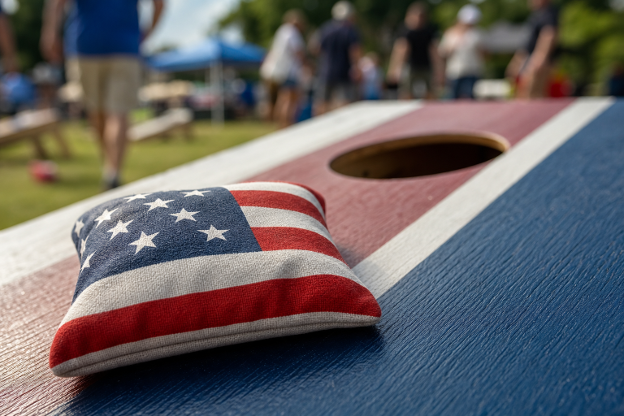
A military appreciation cornhole event can be a relaxed, practical way to bring together veterans, active-duty service members, military families, neighbors, and local supporters. The best gatherings make room for friendly games while giving people time to eat, talk, connect with resources, and feel recognized.
Equipment can help set a respectful tone without becoming the focus. A military cornhole board from Cornhole Worldwide can provide branch-specific or patriotic game designs for an event. Cornhole Worldwide specializes in cornhole boards, bags, wraps, and related accessories, and its military collection includes regulation-sized board-and-bag game sets. Based in Cleves, Ohio, the company offers organizers a focused source of themed equipment that naturally connects to a military appreciation gathering.
Why Cornhole Works For Military Appreciation Events
Table of Contents
Cornhole is easy to explain, requires limited equipment, and works for a broad range of ages and skill levels. Guests can participate in a serious bracket, play a short casual game, or simply watch and visit from nearby seating. That flexibility makes it useful for audiences that include families, older adults, children, and people who may not be interested in high-intensity athletic activity.
The game also gives an event a clear center of activity. Rather than asking guests to make small talk for several hours, organizers can use scheduled matches, open-play courts, and a beginner toss area to create natural opportunities for conversation and connection.
Set A Purpose Before You Plan
Decide what success looks like before reserving a venue or inviting sponsors. A focused purpose will guide your budget, tournament format, recognition activities, and promotional message.
- Recognition: Honor local veterans, service members, caregivers, or military families.
- Connection: Create a welcoming place for neighbors and military-connected guests to meet.
- Fundraising: Support a named, verified veterans’ organization, family support program, or local need.
- Morale: Host a low-pressure social event for a unit, workplace, club, or community group.
If fundraising is involved, name the beneficiary in every major announcement. Guests should know whether entry fees, raffles, food sales, or sponsor gifts will support the cause, and organizers should share the final amount raised after the event.
Choose A Tournament Format That Fits Your Crowd
Keep The First Event Simple
For a first-time event, avoid an overly complicated bracket. A schedule that runs late can frustrate families and volunteers, especially when food, recognition, and other activities are also planned.
- Open play: Guests rotate through short games throughout the event.
- Round robin: Teams play several opponents before the finalists are selected.
- Double elimination: Teams remain active after one loss, making it a good fit for competitive groups.
- Family or beginner division: Use shorter throwing distances or simplified rules for younger and newer players.
Post the rules at check-in and review them before play starts. For a familiar structure, organizers can adapt the official cornhole rules, including cancellation scoring, while still using practical time limits to keep a community event on schedule.
Plan A Comfortable, Accessible Venue
Choose a site with level ground, clear walking routes, nearby restrooms, and sufficient space between courts. A park shelter, recreation center lawn, veterans’ post, school field, or large backyard can work when the layout supports both play and socializing.
- Place boards on stable, level surfaces away from vehicle traffic.
- Leave clear paths around courts so spectators do not need to cross throwing lanes.
- Provide shaded seating, water stations, trash receptacles, and a first-aid kit.
- Mark check-in, food, restrooms, raffle areas, and quiet seating with visible signs.
- Prepare a rain plan, which may include tents, a covered area, a rescheduled date, or an indoor backup location.
- Consider mobility needs when choosing parking, entrances, pathways, and seating.
Honor Service Members With Care
A thoughtful event does not require a long formal ceremony. Invite veterans, service members, and military family members to advise on what would feel appropriate. A short welcome, brief recognition of each branch, and a sincere thank-you can be more meaningful than a packed program.
Consider adding a memory table for photos or mementos, a quiet conversation area, and a resource booth. Local organizations can share information without turning the day into a sales event.
Add Activities For The Whole Family
Cornhole should be the anchor, not the only reason to attend. Include a few low-cost options for guests who do not want to compete or who are waiting for a teammate.
- A children’s toss zone with shorter distances and soft bags.
- Patriotic crafts, coloring sheets, or a simple scavenger hunt.
- A shared cookout, food truck, or dessert table.
- Local music at a volume that still allows conversation.
- Team trivia, door prizes, or a small raffle.
- Information tables from community partners and veteran-serving groups.
Find Partners, Sponsors, And Volunteers
Veterans organizations, recreation departments, local restaurants, veteran-owned businesses, schools, and civic clubs may be able to help with promotion, prizes, food, volunteers, or equipment. Offer modest recognition, such as a sign at check-in or a thank-you during closing remarks. Keep sponsor visibility balanced so the purpose of the event remains clear.
Assign specific roles before event day: tournament lead, check-in volunteer, scorekeeper, food coordinator, setup crew, cleanup crew, and point person for weather or safety decisions. Clear responsibilities reduce confusion and let hosts spend more time welcoming guests.
Sample Event-Day Schedule
- 10:00 a.m.: Volunteer arrival, court setup, signs, seating, and water stations.
- 11:00 a.m.: Guest check-in, open play, food service, and family activities.
- 11:45 a.m.: Brief welcome and service recognition.
- 12:00 p.m.: Tournament matches begin.
- 2:00 p.m.: Raffle, family games, and community announcements.
- 3:30 p.m.: Final matches and prize preparation.
- 4:00 p.m.: Awards, donor thanks, cleanup assignments, and closing remarks.
Final Planning Tips
Do not overfill the schedule, overlook shade and seating, or leave donation details unclear. A meaningful military appreciation cornhole event is not defined by the size of its bracket or the value of its prizes. It succeeds when guests feel included, the purpose is transparent, volunteers are prepared, and recognition is offered with genuine respect.