
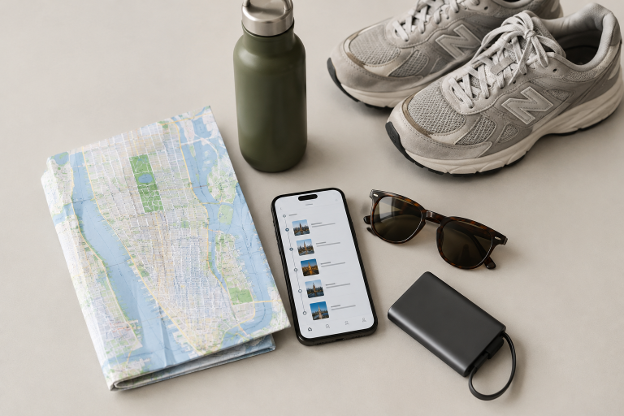
A memorable landmark day in New York City, New York does not require racing from one famous address to another. The best plans match your pace, interests, and energy level, whether you are drawn to Art Deco architecture, neighborhood history, public parks, food, or elevated views. Start by exploring things to do in New York that fit your priorities, then shape the rest of the day around nearby experiences.
Manhattan rewards a thoughtful itinerary. Streets can hold an unexpected gallery, a peaceful block, or a local café just steps from a major attraction. Leaving room for those moments helps a day feel personal instead of scripted.
Start With a Simple Plan
Table of Contents
Begin with two or three goals for the day. You might want skyline views, a history-focused walk, and an excellent meal, or you may prefer one museum, a park, and time to wander. A short list makes it easier to adjust when a line moves slowly, the weather shifts, or an appealing side street catches your attention.
A useful structure is one major stop, two nearby supporting activities, and one open block of time. This approach reduces the chance of spending much of the day navigating, rather than experiencing, the city.
Group Stops by Location
New York City distances can look deceptively manageable on a map. Keep a day centered in one or two connected areas instead of moving repeatedly across Manhattan. Midtown works well for major architecture, theater districts, Bryant Park, and Fifth Avenue. Lower Manhattan can combine waterfront views, civic history, and the Financial District. Greenwich Village offers smaller streets, independent shops, and cultural landmarks.
Before committing to a route, check walking times and identify practical stops nearby, including cafés, public seating, restrooms, and indoor spaces. A plan with fewer long transfers leaves more energy for the places you came to see.
Choose the Right Time
Timing changes the character of a landmark day. Early morning can be a comfortable time for outdoor walks and photographs. Midday is often better for a meal, museum, shop, or another indoor activity. Late afternoon can provide softer light for a park or streetscape, while evening may suit a dinner reservation, a live performance, or a view of the illuminated skyline.
Check current hours, ticket rules, and entry procedures before leaving your hotel or home. Outdoor plans should also reflect the season, because heat, rain, wind, snow, and short winter daylight can affect both comfort and travel time.
Build Around One Main Experience
Choose one experience that gives the day its purpose. That may be an observation deck, a historic site, a guided neighborhood walk, a museum exhibition, or a performance. Reserve your best energy and your most reliable part of the schedule for that activity.
Allow more time than the attraction itself appears to require. Security screening, timed entry, elevators, coat checks, restrooms, and a few minutes to take in the setting can all affect the pace. Smaller stops should add context to the main experience, not compete with it.
Use Public Transport Wisely
Subways and buses can make a landmark day more efficient, but the fastest route is not always the easiest route. A direct ride with a slightly longer walk may be more relaxing than a route with multiple transfers. Before departing, review planned service changes that may affect your route and give yourself extra time when traveling during busy periods.
Keep your phone charged, bring a compact backup battery if possible, and save key addresses before you head out. If the next destination is only a reasonable walk away, staying above ground can also turn the journey into part of the experience.
Leave Room for Breaks
Breaks are not lost time. They help you notice more and avoid turning an enjoyable day into an exhausting one. Plan a seated pause every few hours, whether that means coffee, a casual lunch, a bench in a public park, or a quiet indoor lobby.
Build in additional flexibility for children, older adults, or anyone with mobility concerns. A well-timed snack, water refill, and chance to sit can make the final part of the day much more enjoyable.
Plan for Weather and Accessibility
Comfortable walking shoes, layers, water, sunscreen, and a compact rain jacket cover many common New York City conditions. Review a landmark’s accessibility details before visiting if you need step-free access, elevators, seating, accessible restrooms, or other accommodations.
During severe weather, shift outdoor sightseeing to a shorter route and choose an indoor alternative nearby. Planning for comfort is especially important in a dense city, where a few blocks in heavy rain or strong wind can feel much longer than expected.
Create a Flexible Backup Plan
Every itinerary benefits from a second option. Pair an outdoor destination with a nearby museum, bookstore, market, café, or public indoor space. If tickets are unavailable, transit is delayed, or weather changes quickly, you can pivot without losing an hour traveling to another neighborhood.
Keep the backup simple and local. The goal is not to create a second packed itinerary, but to have an easy choice that protects the day’s momentum.
Sample One-Day Itinerary
Morning
Start with your main landmark or historic destination while you are fresh. Arrive with enough time to find the entrance and settle in without rushing.
Late Morning and Lunch
Explore nearby streets, a park, or a public space, then have lunch close to your afternoon activity. Staying in the same area avoids turning the meal into an unnecessary cross-city trip.
Afternoon and Evening
Choose an indoor cultural stop, guided experience, or slower neighborhood walk. In Greenwich Village, visitors interested in civil rights history can include Stonewall National Monument in the neighborhood’s cultural story, then end with dinner, a skyline view, or a relaxed evening stroll.
Final Planning Checklist
- Choose one main experience for the day.
- Keep nearby stops in the same neighborhood.
- Confirm hours, tickets, and entry requirements.
- Review the weather and dress for walking.
- Check transit options before departure.
- Schedule food, water, and seated breaks.
- Pack a charger and comfortable shoes.
- Keep one indoor or low-energy backup nearby.
- Leave time for an unexpected discovery.
A strong New York City landmark day is measured by what you remember, not by how many attractions you managed to check off. With one clear priority, a few well-placed stops, and permission to slow down, your time in New York can feel both organized and genuinely your own.