
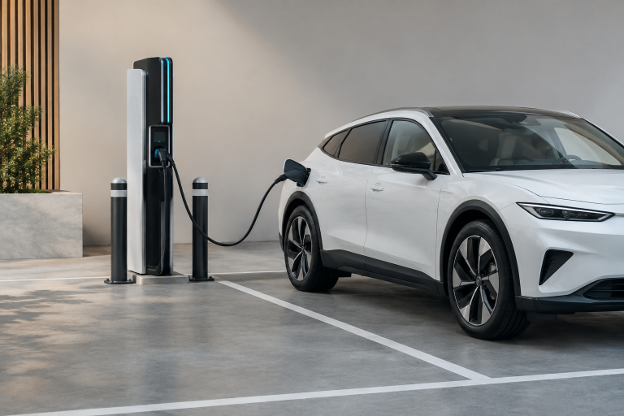
Installing electric vehicle charging at a commercial property involves far more than selecting equipment. A successful project connects the charging use case, parking layout, electrical capacity, customer experience, approvals, and operating plan. Businesses evaluating Blink commercial charging stations should begin by determining how the site will be used before choosing charger models or starting construction.
The best charging site is not always the one with the most visible parking spaces or the fastest equipment. It is the one that gives drivers a practical place to charge while fitting the property’s power supply, traffic patterns, budget, and long-term plans. A clear site plan helps prevent costly changes after equipment has been ordered or installed.
Why Commercial EV Charging Projects Need A Full Site Plan
Table of Contents
A charger is one component of a larger property improvement project. The finished result depends on where drivers enter, how vehicles move through the lot, where electrical service enters the building, how far trenching must extend, and what local authorities require. A location that appears convenient can still create difficulties if it has limited electrical capacity, poor drainage, tight turning space, or expensive utility work.
Planning also clarifies ownership and operating responsibilities. Someone must monitor the equipment, handle driver questions, arrange repairs, maintain the parking area, and decide whether charging will be free, paid, reserved, or available to the public.
Start With The Charging Use Case
Every commercial charging project should start with the people and vehicles it is meant to serve. Workplace drivers may park for much of the day. Hotel guests may charge overnight. Retail visitors may stay for a shorter period, while fleet vehicles may need to be charged during scheduled off-hours. These differences should guide the choice of charger type, the number of ports, access rules, and parking layout.
Questions To Answer First
- Who will use the chargers: employees, tenants, customers, fleet drivers, or the public?
- How long will vehicles typically remain on site?
- How many vehicles could need charging at the same time?
- Will access be open, private, reserved, or a mix of these options?
- When is demand likely to peak during the day, week, or year?
Choose A Site Drivers Can Use With Ease
Charging spaces should be easy to locate, enter, use, and leave. Review traffic flow before assigning stalls. Drivers need enough room to approach the space without sharp turns, open doors safely, connect the cable, and exit without blocking through traffic. The layout should also keep charging cables away from pedestrian travel paths where possible.
Consider lighting, security, weather exposure, drainage, nearby amenities, signage, and room for maintenance access. The Department of Energy’s charging infrastructure checklist is useful for organizing early decisions about equipment, utilities, permitting, networking, security, and ongoing costs.
Review Power, Utility, And Building Limits
Review the electrical system before committing to a charger package. Existing service may support the project, or the site may need panel work, new conduit, switchgear, transformers, meters, or a utility service upgrade. The utility should be involved early because its review, equipment availability, and connection process can affect the construction timeline.
Key questions include:
- How much electrical capacity is available today?
- Can the site support multiple vehicles charging at once?
- Will new utility equipment or service upgrades be needed?
- How will electricity rates and demand charges affect operations?
- Could load management reduce peak electrical demand?
Select The Right Charging Speed And Layout
Faster charging is not automatically better. The right choice depends on dwell time, expected turnover, vehicle needs, and available power. Lower-power charging can suit vehicles parked for long periods. Level 2 charging is commonly used at workplaces, multifamily properties, hotels, parking facilities, and many retail locations. DC fast charging can be appropriate where drivers need shorter stops or where fleet schedules require faster energy delivery.
Layout decisions should support the equipment selected. Leave sufficient space for protective bollards, equipment pads, accessible paths, cable reach, signs, and service access. Where practical, install conduit and reserve parking areas for future chargers during the initial construction phase.
Plan For Permits, Safety, And Accessibility
Requirements vary by jurisdiction, so confirm with local officials, the utility, and qualified electrical professionals. A project may need electrical and building permits, zoning or site plan review, utility approvals, inspections, signs, pavement markings, lighting, and emergency access. Accessibility should be incorporated into the original design, plan clear travel paths, space for vehicles, unobstructed access to equipment, and layouts that accommodate drivers and pedestrians with different mobility needs. Local rules may set additional standards.
Build A Realistic Project Budget
The equipment price is only one part of the budget. A complete estimate should include engineering, design, utility coordination, electrical upgrades, trenching, paving, concrete work, protective barriers, permits, inspections, signage, lighting, network setup, and payment hardware where needed.
Ongoing costs can include electricity, demand charges, network subscriptions, payment processing, maintenance, repairs, customer support, cleaning, snow removal, and site upkeep. Comparing these costs early helps owners choose an operating model that fits their goals.
Prepare For Networking, Payments, And Support
Connected chargers can provide usage data, equipment status information, remote settings, access controls, and payment options. Decide in advance whether drivers will pay by card, app, account, or another method. Establish rules for idle time, parking enforcement, reservation access, and response expectations when equipment is unavailable.
Managers should also define who receives fault alerts, who contacts service providers, and which performance measures will be reviewed regularly. Useful measures may include charging sessions, energy use, equipment uptime, revenue, and recurring maintenance issues.
Design For Future Growth
Charging demand can change as more drivers and fleets adopt electric vehicles. A phased design can help a site begin at an appropriate scale while making later expansion less disruptive. Reserve space for additional stalls, protect future conduit routes, keep expansion areas clear, and consider spare electrical capacity when feasible.
For projects that require a structured approach to assessing charger quantities, electrical assets, power requirements, and local cost inputs, the Department of Energy’s EVI-LOCATE planning guidance outlines the factors to evaluate before installation.
Use A Simple Pre-Construction Checklist
- Define users, charging schedules, and access rules.
- Inspect the site and map vehicle and pedestrian movement.
- Review electrical capacity and utility upgrade needs.
- Select charging levels that fit the expected dwell time.
- Confirm permits, codes, inspections, and accessibility needs.
- Build a full construction and operating budget.
- Choose a networking, payment, support, and maintenance approach.
- Reserve space and infrastructure for future expansion.
Common Questions About Commercial EV Charging Sites
How Early Should A Business Contact The Utility?
Contact the utility during early planning. Available capacity, upgrade requirements, equipment needs, and rate structures can influence the project scope and timeline.
Is DC Fast Charging Always The Best Option?
No. DC fast charging may fit short-stay or time-sensitive use cases, while Level 2 charging can be a practical match for vehicles parked for several hours.
How Many Chargers Should A Site Install?
The answer depends on expected demand, dwell time, parking patterns, electrical capacity, and available budget. A phased installation may be more practical than building to maximum capacity immediately.
Conclusion
A strong commercial EV charging project begins with the site, not the charger. By aligning vehicle needs, parking design, electrical infrastructure, approvals, operating costs, and future expansion, property owners can create charging spaces that are useful in daily operations and adaptable over time.